


Dr. E Manuals
Yamaha XTZ660 Tenere 1991-1999 Service Manual
Yamaha XTZ660 Tenere 1991-1999 Service Manual
Couldn't load pickup availability
1991-1999 Yamaha XTZ660 XTZ 660 Tenere Service / Repair / Workshop Manual
Instant download after purchase, in PDF form, NOT a physical book.
This manual contains 414 pages in English Language, it is the only manual you will require to maintain, repair and service your Yamaha XTZ660 XTZ 660 Tenere.
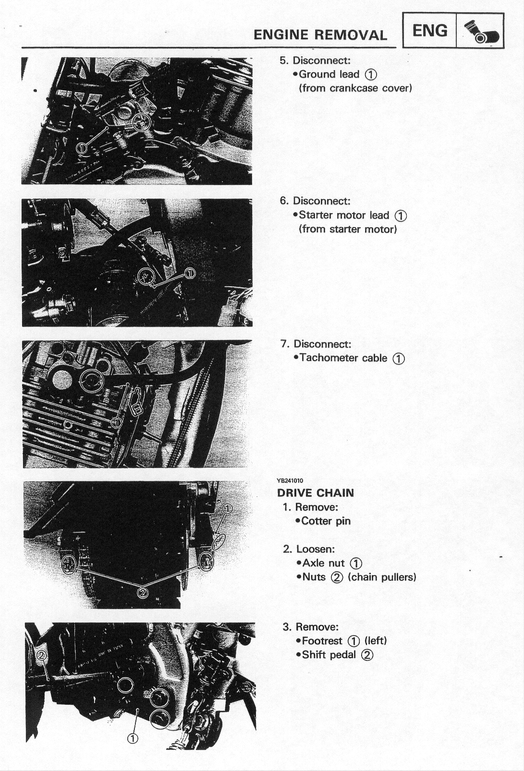
Sample pages and table of contents can be seen in the third product picture, please make sure you are happy with the quality of the manuals before purchasing.
Suits Models from 1991, 1992, 1993, 1994, 1995, 1996, 1997, 1998, 1999
If you have any issues downloading/accessing your manual, please contact us so we can fix this for you.
Share



XTZ660 Tenere (1991-1999): Dakar-Bred Desert Cool With a Notoriously Punishing Seat
Named for the Ténéré desert stage of the Paris-Dakar Rally, the XTZ660 traded on Yamaha's genuine off-road racing pedigree — a reputation earned through strong Dakar performances across the 1990s. Motorcycle News summed up the appeal bluntly: "retro desert rally cool, getting better with age," while simultaneously warning that the seat ranks among "the most uncomfortable ever created outside of the Inquisitions of 15th-Century Spain." Early 1991-1993 models wore a distinctive rectangular single headlight; from 1994, styling shifted to twin round headlights that echoed the larger XTZ750 Super Ténéré, Yamaha's Dakar-winning big-bore sibling.
Power comes from a 659cc liquid-cooled single, SOHC with an unusually sophisticated 5-valve head and dry-sump lubrication (oil carried in the frame rather than a conventional sump), delivering a claimed 46-48 hp and around 42 lb-ft of torque through a 5-speed gearbox. Later restyled models saw a slight power reduction to meet tightening emissions standards. Reviewers found the motor genuinely strong in the midrange for easy urban riding, though it struggled with low-rpm response and felt strained much past 75 mph.
The chassis pairs a steel frame with genuinely long-travel suspension: a 43mm telescopic fork and a preload-and-rebound-adjustable monoshock, though contemporary reviews flagged the front brake as notably weak, compounded by significant fork dive under hard braking. A tall, commanding riding position with wide bars gave confident visibility and easy cornering despite the imperfect stopping power. Dry weight sits around 377 lbs, with a 20-litre fuel tank and 34.1-inch seat height. Sales were genuinely strong in some markets — reportedly 4,500 units in Germany alone — riding the wave of Yamaha's Dakar success, though demand fell sharply after the 1994 restyle, forcing a production pause in 1995 before resuming for a final run through 1999.
-
Manual Sourcing
We strive to use freely available sources. Some manuals may be scans or photocopies of older originals. Sample previews are shown on the product page, please review them before purchase to ensure quality meets your needs.
-
Copyright
This material is shared in accordance with the GNU General Public License (GPL), GNU Lesser General Public License (LGPL), or designated as Freeware, all of which allow free and open distribution. Additional information is available on our Copyright & Content Disclaimer Page
-
Refunds
Due to the nature of digital products, all sales are final. We recommend reviewing the sample preview on the product page to ensure the manual meets your expectations before purchase. Refunds will not be issued for issues related to content quality already disclosed or shown in the preview.
