


Dr. E Manuals
Kawasaki ZX10 ZX10S 1988-1990 Service Manual
Kawasaki ZX10 ZX10S 1988-1990 Service Manual
Couldn't load pickup availability
Kawasaki Ninja ZX10 ZX 10 S 1988 - 1990 Service / Repair / Workshop Manual
Instant download after purchase, in PDF form, NOT a physical book.
This manual contains 234 pages in English Language, it is the only manual you will require to maintain and repair your Kawasaki ZX10, using this manual you ensure that your motorbike is repaired to manufacturer standards / specification, whether you are using OEM or genuine Kawasaki Parts.
Suits Models from 1988, 1989 and 1990.
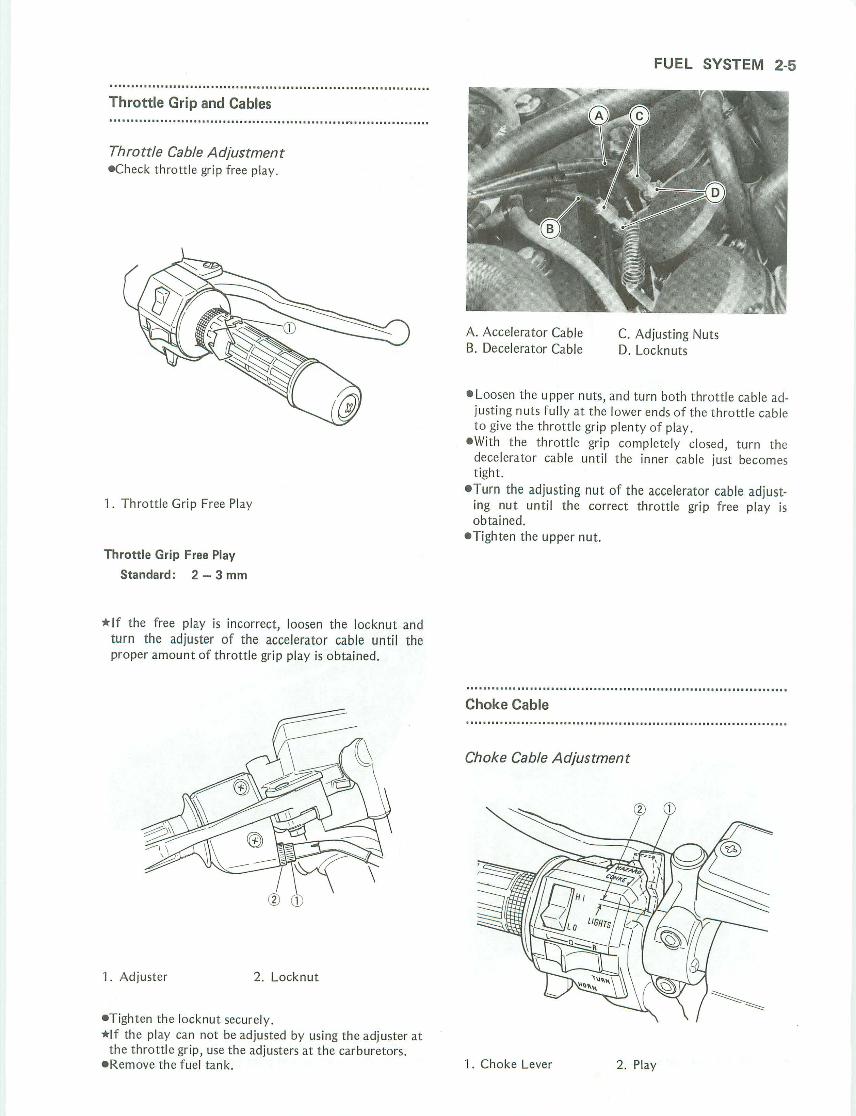
Sample pages and table of contents can be seen in the third product picture, please make sure you are happy with the quality of the manuals before purchasing.
Features Chapters: General Information, Fuel System, Cooling System, Engine Top End, Clutch, Engine Lubrication System, Engine Removal/Installation, Crankshaft/Transmission, Wheels/Tires, Final Drive, Brakes, Suspension, Steering, Frame, Electrical System, Appendix.
If you have any issues downloading/accessing your manual, please contact us so we can fix this for you.
Share




ZX-10/ZX-10S "Tomcat" (1988-1990): The Genuine World's Fastest Production Motorcycle That Also Debuted Kawasaki's Now-Standard Perimeter Frame
Wikipedia's own account confirms the genuine bragging rights this bike held at launch: "with a top speed of 165 miles per hour (266 km/h), it was the fastest production motorcycle in 1988." Autoevolution's own history confirms the ZX-10, badged "Tomcat" in Europe, replaced Kawasaki's outgoing GPZ1000RX as the brand's flagship sportbike, and represented a genuine engineering milestone beyond outright speed: "the engine was placed in the company's first aluminum perimeter frame, which remained as standard ever since" — a real architectural foundation Kawasaki has built every subsequent flagship sportbike chassis around in the decades since.
Power comes from a 997cc liquid-cooled DOHC inline-four, 16 valves, a 74mm x 58mm bore and stroke, and an 11.0:1 compression ratio, fed by 36mm semi-downdraft CV Keihin carburetors, delivering a claimed 135-137 hp at 10,000 rpm and roughly 75-76 lb-ft (102-103 Nm) of torque at 9,000 rpm through a 6-speed transmission with chain final drive. Wikipedia's own technical account confirms the genuine engineering carried over and refined from the GPZ1000RX predecessor: "the engine was designed after its predecessor's, with the same displacement but 36mm semi-downdraft CV carburetors and a narrower valve angle" — real internal refinement rather than an entirely clean-sheet powerplant, letting Kawasaki leverage a proven bottom end while sharpening breathing and combustion efficiency.
FastestLaps.com's own archived period road test from Motosprint's 1988 group test offers genuine real-world performance data beyond the manufacturer's claims: a 249.3kg curb weight, 123 PS measured at the rear wheel at 9,600 rpm, a 0-100 km/h time of 2.73 seconds, and a genuine top speed of 268.3 km/h (167 mph) recorded during that test — consistent with the bike's contemporary reputation as the fastest production motorcycle sold at the time. Wikipedia's own detailed spec sheet confirms genuinely sophisticated hardware for the era: twin-piston radial brakes, a 26.5-degree rake with 99mm of trail, a 58.7-inch wheelbase, and a 21-litre (5.5 US gallon) fuel tank delivering real touring-capable range at roughly 42 mpg. Autoevolution's own styling breakdown confirms the visual package throughout this production span: a rectangular headlight, a medium-sized windscreen, a one-piece dual seat, a dual exhaust system with a silencer on each side, and genuinely lightweight three-spoke aluminum wheels.
This exact 1988-1990 production span closed out with the ZX-10 handing its flagship-sportbike torch directly to the Ninja ZX-11 (badged ZZ-R1100 outside North America) for 1989-1990 onward — Wikipedia's own account confirms that successor "surpassed" the ZX-10's own speed record, going on to hold the fastest-production-motorcycle title for a full six years afterward. The closely related ZX-10S designation covered in this manual reflects a specific market or trim variant sharing this identical fundamental engine and chassis architecture, making correct model identification against the frame and engine numbers worthwhile before assuming universal parts interchange across every badge variant this generation carried.
This factory service manual covers the procedures, torque specs, and diagrams needed to keep a 1988-1990 ZX-10/ZX-10S Tomcat running the way it was built to.
-
Manual Sourcing
We strive to use freely available sources. Some manuals may be scans or photocopies of older originals. Sample previews are shown on the product page, please review them before purchase to ensure quality meets your needs.
-
Copyright
This material is shared in accordance with the GNU General Public License (GPL), GNU Lesser General Public License (LGPL), or designated as Freeware, all of which allow free and open distribution. Additional information is available on our Copyright & Content Disclaimer Page
-
Refunds
Due to the nature of digital products, all sales are final. We recommend reviewing the sample preview on the product page to ensure the manual meets your expectations before purchase. Refunds will not be issued for issues related to content quality already disclosed or shown in the preview.
