


Dr. E Manuals
Kawasaki VN 900 Vulcan Classic 2006 Onwards Service Manual
Kawasaki VN 900 Vulcan Classic 2006 Onwards Service Manual
Couldn't load pickup availability
Kawasaki VN900 VN 900 Vulcan Classic 2006 Onwards Service / Repair / Workshop Manual
Instant download after purchase, in PDF form, NOT a physical book.
This manual contains 588 pages in English Language, it is the only manual you will require to maintain, repair and service your Kawasaki Vulcan, using this manual you ensure that your motorbike is repaired to manufacturer standards / specification, whether you are using OEM or genuine Kawasaki Parts.
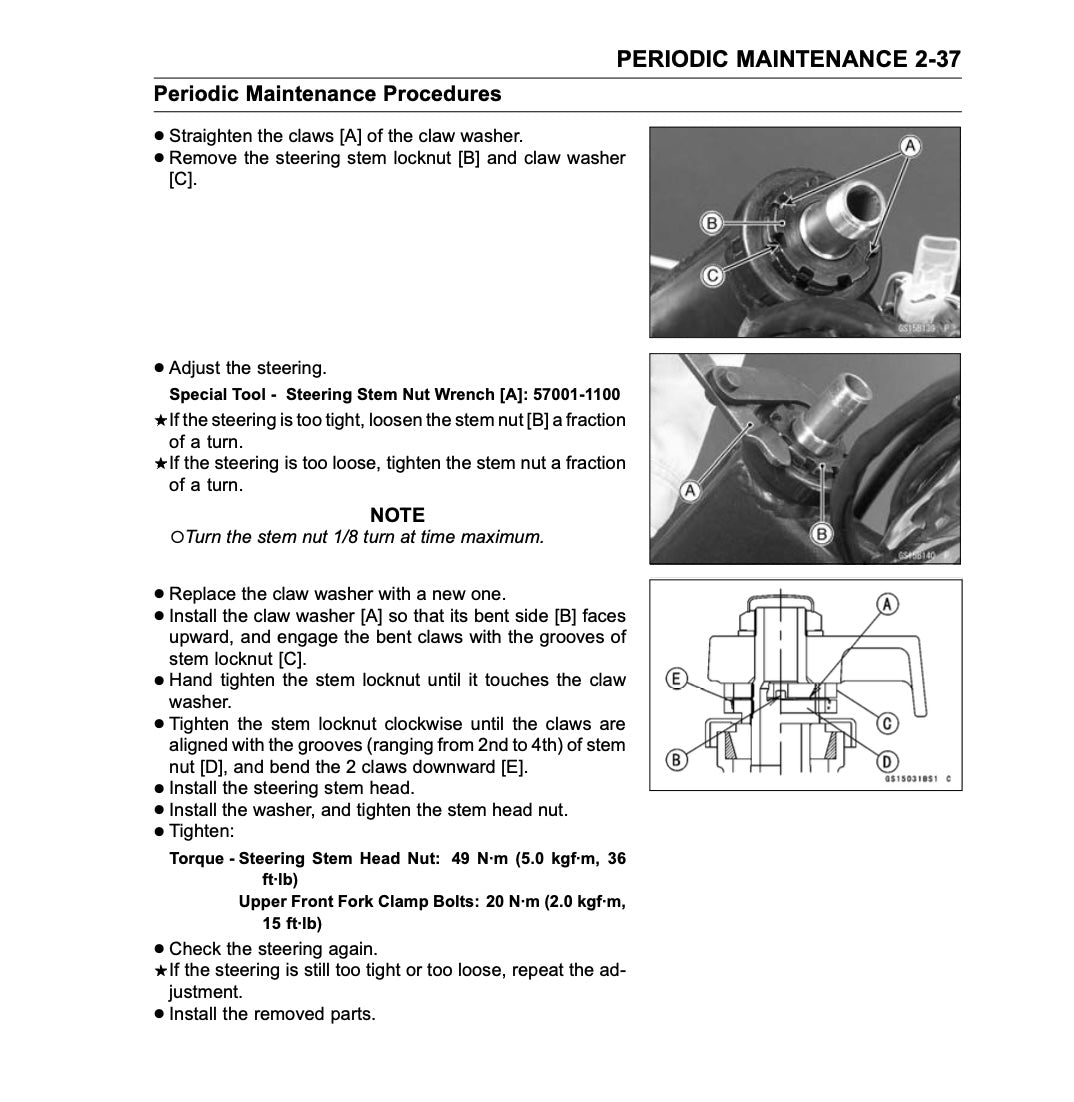
Sample pages and table of contents can be seen in the third product picture, please make sure you are happy with the quality of the manuals before purchasing.
Features Chapters: General Information, Periodic Maintenance, Fuel System (DFI), Cooling System, Engine Top End, Clutch, Engine Lubrication System, Engine Removal/Installation, Crankshaft/Transmission, Wheels/Tires, Final Drive, Brakes, Suspension, Steering, Frame, Electrical System, Appendix.
If you have any issues downloading/accessing your manual, please contact us so we can fix this for you.
Share




Vulcan 900 Classic/VN900B (2006-Onwards): The Genuine Successor Filling Kawasaki's Middleweight Cruiser Gap
VikingBags' own history places this launch at a genuine transitional moment for Kawasaki's cruiser lineup: "the motorcycle company entered the cruiser game with its Vulcan 750 VN lineup. After a 22-year-long production run, the Vulcan 750 series was discontinued in 2006. But, the same year, Kawasaki launched its Vulcan 900 Classic lineup, which was far more stylish and powerful." Wikipedia's own account confirms the platform's genuine bragging rights at launch: "up until September 2008, the engine displacement of the Vulcan 900 lineup was the largest in the midsized cruiser game," a title it held until Yamaha's air-cooled 942cc V-Star 950 arrived to take it.
Power comes from a 903cc liquid-cooled V-twin, four-stroke SOHC with 4 valves, delivering a claimed 50-54 hp at 5,700-6,000 rpm and roughly 58-60 lb-ft of torque at 3,500-3,700 rpm through a 5-speed manual gearbox with genuine belt final drive — a real low-maintenance advantage over chain-driven rivals, managed through electronic fuel injection across the entire range. Motorcycle.com's own owner reviews are consistently enthusiastic about real-world capability: "the 900 is a great bike, it's an all-round great performing middle weight cruiser that really has no competition... it does 70mph all day and is very comfortable," though the same review thread flags a genuine known weak point worth checking on used examples — stator failures reported before the 20,000-mile mark, an issue several owners noted was widely discussed across owner forums.
Autoevolution's own model history confirms the range expanded genuinely within its first two years: launched in 2006 alongside the more touring-oriented Classic LT variant, Kawasaki added the Custom trim for 2007, distinguished by more aggressive styling — cast alloy wheels (a solid rear wheel paired with a 21-inch nine-spoke front), forward-mounted footpegs replacing the Classic's floorboards, a smaller headlight, and drag-styled handlebars, versus the Classic's chromed round headlight, pulled-back bar, valanced fenders, and wire-spoke wheels. VikingBags' own coverage confirms all three variants — Classic, Classic LT, and Custom — share identical engine configuration, technical specifications, drivetrain, and performance figures underneath their differing bodywork. The chassis uses a double-cradle steel frame with a 41mm telescopic fork and Uni-Trak rear shock, backed by front and rear disc brakes and a genuinely large 5.3-gallon (20-litre) fuel tank — Wikipedia's own spec sheet confirms this was the largest tank in its class at launch. VikingBags' own year-by-year tracking notes a genuine output reduction arrived in 2013 — torque and horsepower dropped to 78 Nm and 48 hp respectively, with the exact cause not publicly documented by Kawasaki — while the fundamental engine architecture, chassis, and belt-drive layout have carried forward largely unchanged across this platform's long production run.
This factory service manual covers the procedures, torque specs, and diagrams needed to keep a 2006-onwards Vulcan 900 Classic/VN900B running the way it was built to.
-
Manual Sourcing
We strive to use freely available sources. Some manuals may be scans or photocopies of older originals. Sample previews are shown on the product page, please review them before purchase to ensure quality meets your needs.
-
Copyright
This material is shared in accordance with the GNU General Public License (GPL), GNU Lesser General Public License (LGPL), or designated as Freeware, all of which allow free and open distribution. Additional information is available on our Copyright & Content Disclaimer Page
-
Refunds
Due to the nature of digital products, all sales are final. We recommend reviewing the sample preview on the product page to ensure the manual meets your expectations before purchase. Refunds will not be issued for issues related to content quality already disclosed or shown in the preview.
