


Dr. E Manuals
Kawasaki KX500 1988-2004 Service Manual
Kawasaki KX500 1988-2004 Service Manual
Couldn't load pickup availability
Kawasaki KX500 KX 500 1988 - 2004 Service / Repair / Workshop Manual
Instant download after purchase, in PDF form, NOT a physical book.
This manual contains 330 pages in English Language, it is the only manual you will require to maintain and repair your Kawasaki KX500, using this manual you ensure that your motorbike is repaired to manufacturer standards / specification, whether you are using OEM or genuine Kawasaki Parts.
Suits Models from 1988, 1989, 1990, 1991, 1992, 1993, 1994, 1995, 1996, 1997, 1998, 1999, 2000, 2001, 2002, 2003 and 2004.
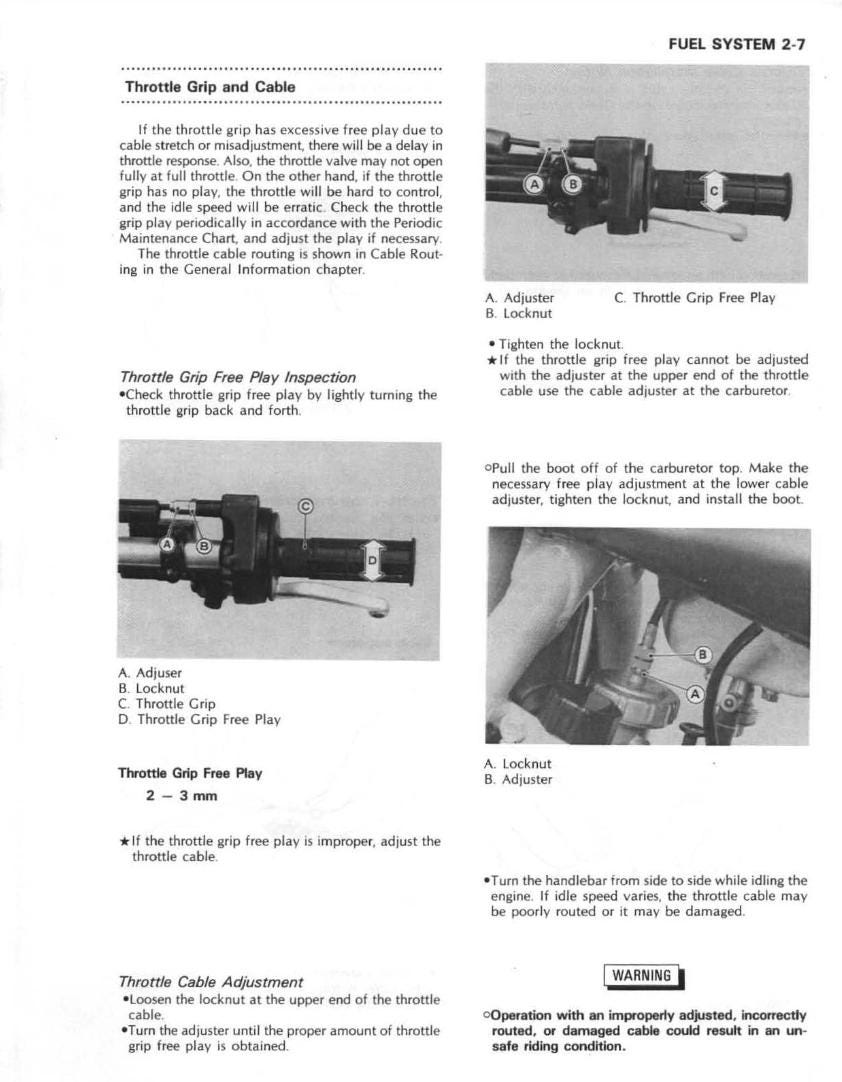
Sample pages and table of contents can be seen in the third product picture, please make sure you are happy with the quality of the manuals before purchasing.
Features Chapters: General Information, Fuel System, Cooling System, Engine Top End, Engine Right Side, Engine Removal/Installation, Engine Bottom End/Transmission, Wheels/Tires, Final Drive, Brakes, Suspension, Steering, Electrical System, Appendix.
If you have any issues downloading/accessing your manual, please contact us so we can fix this for you.
Share



KX500 (1988-2004): "The First Truly Competitive 500cc Kawasaki" That Ran to the End of the Open Class Itself
Wikipedia's own detailed platform history traces the genuine engineering journey behind this exact 1988-2004 range: "Kawasaki developed the bike on an annual basis through the 80's. The addition of liquid cooling in 1985, a new frame with improved suspension in 1987, engine updates in 1988 and reversed forks in 1990 highlight these revisions." That same account confirms just how badly the earlier air-cooled generation had been received before this refinement work began: "the air-cooled engines were poorly reviewed in publications at the time, with Dirt Bike magazine most famously calling the bike 'unridable' in their June of '83 issue" — genuine context for why the 1988 engine updates and 1990 inverted-fork changes covered in your listed range mattered so much to the platform's eventual reputation.
Power comes from a 499cc liquid-cooled two-stroke single, an 86mm x 86mm bore and stroke, and an 8.4:1 compression ratio, delivering genuine open-class motocross power through a 5-speed transmission with wet multi-disc manual clutch, reaching a top speed under 90mph — modest by displacement standards, reflecting the deliberately manageable, tractable power delivery Kawasaki tuned into this engine after the earlier air-cooled generation's reputation for being genuinely difficult to control. Wikipedia's own account confirms 1986 brought the KIPS power valve system to this platform, "becoming the first power-valved production 500cc motocross bike" — genuinely significant technology carried forward and refined throughout the entire 1988-2004 span this manual covers.
Wikipedia's own account confirms the KX500's real competitive legacy stretched well beyond closed-course motocross: "it continued its winning streak in desert racing by being the victor's bike at the Baja 1000 from 1988 through 1996" — a genuinely remarkable nine consecutive years of desert-racing dominance running directly through the earliest years of this exact manual's coverage. That same source flags a genuinely important parts-interchange detail worth knowing for anyone servicing an engine in this range: "due to this, it is common practice to install the nearly identical 88-04 pistons in these bikes, which share both wrist pin and piston diameter measurements. Doing so will lower the compression ratio, but still function. Cylinders from later bikes are not compatible" — confirming that the piston specification stayed genuinely consistent across this entire 1988-2004 production window even as other components evolved, a real practical reference for anyone rebuilding a top end without access to exact original-year replacement parts.
The chassis uses a steel frame with a 59-inch wheelbase and a genuinely light 220 lb dry weight, riding on a 37-inch seat height — dimensions built specifically for aggressive open-class motocross and desert competition rather than casual trail riding. Standard equipment included a high-mounted front fender, single seat, high-mounted exhaust, and wire-spoke wheels with genuine off-road tires, sharing frame and running-gear philosophy directly with the smaller KX125 and KX250 siblings built alongside it during these same years. Wikipedia's own production record confirms this platform ran until 2004, when the four-stroke KX450F finally succeeded it — closing out one of the longest continuous production runs of any two-stroke motocross machine, and marking the effective end of the traditional big-bore, open-class two-stroke era in Kawasaki's own lineup as four-stroke technology took over the top of the motocross displacement classes industry-wide.
This factory service manual covers the procedures, torque specs, and diagrams needed to keep a 1988-2004 KX500's two-stroke engine and driveline running the way it was built to.
-
Manual Sourcing
We strive to use freely available sources. Some manuals may be scans or photocopies of older originals. Sample previews are shown on the product page, please review them before purchase to ensure quality meets your needs.
-
Copyright
This material is shared in accordance with the GNU General Public License (GPL), GNU Lesser General Public License (LGPL), or designated as Freeware, all of which allow free and open distribution. Additional information is available on our Copyright & Content Disclaimer Page
-
Refunds
Due to the nature of digital products, all sales are final. We recommend reviewing the sample preview on the product page to ensure the manual meets your expectations before purchase. Refunds will not be issued for issues related to content quality already disclosed or shown in the preview.
