


Dr. E Manuals
Honda VF700S VF700 S Sabre V4 V42 1984-1985 Service Manual
Honda VF700S VF700 S Sabre V4 V42 1984-1985 Service Manual
Couldn't load pickup availability
1984-1985 Honda VF700S VF700 S Sabre V4 V42 Service / Repair / Workshop Manual
Instant download after purchase, in PDF form, NOT a physical book.
This manual contains 413 pages in English Language, it is the only manual you will require to maintain, repair and service your Honda VF700S VF700 S Sabre V4 V42.
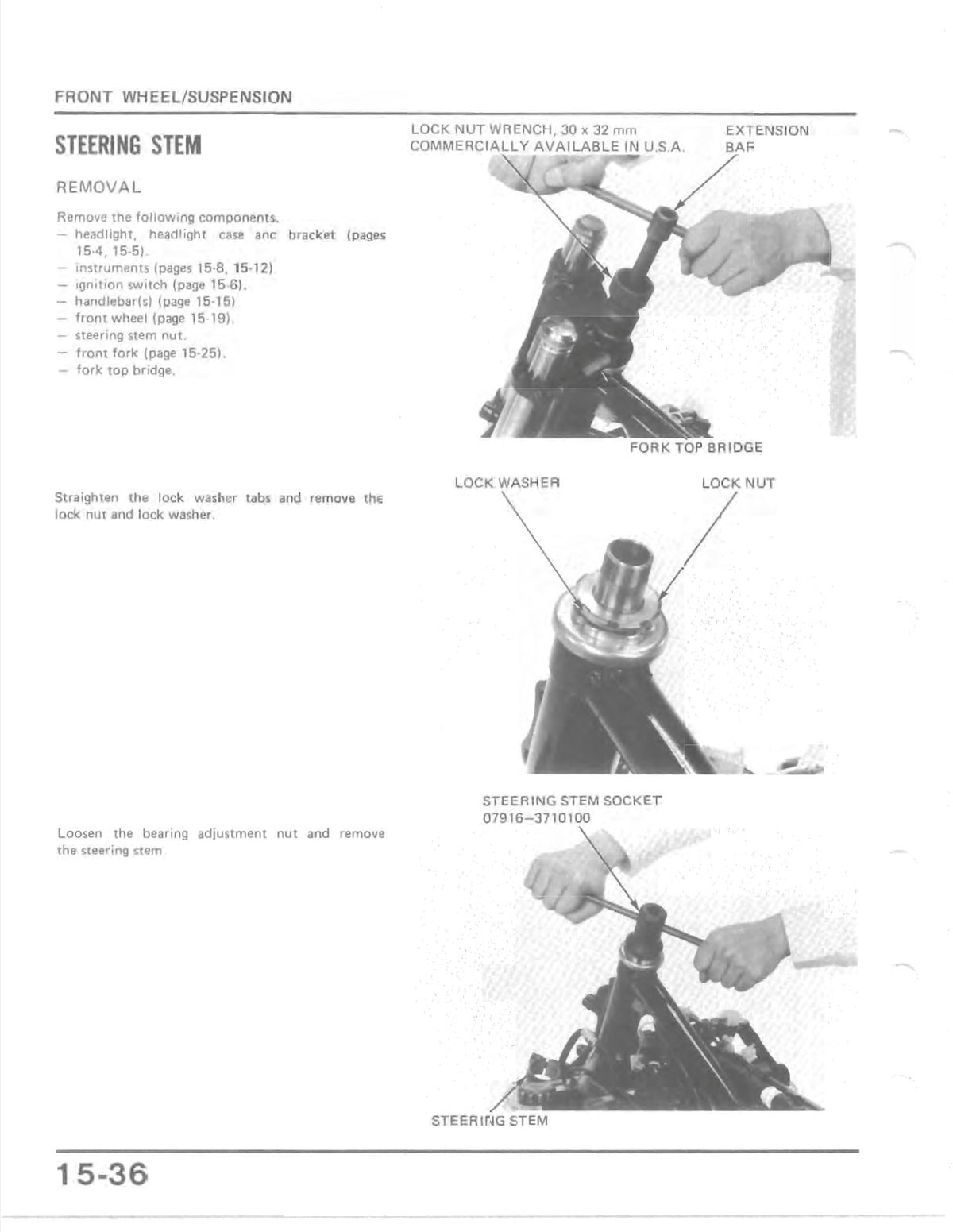
Sample pages and table of contents can be seen in the third product picture, please make sure you are happy with the quality of the manuals before purchasing.
Features Chapters: general information, lubrication, maintenance, fuel system, engine removal/installation, cooling system, clutch system, gearshift linkage, alternator, cylinder head/valve, crankcase, piston/crankshaft, transmission, final drive, front wheel/suspension, hydraulic brakes, rear wheel/suspension/brake, battery/charging system, ignition system, electric starter, switches, wiring diagram, technical features, troubleshooting, '83 v45 sabre, magna addendum, '84 magna addendum, '84 sabre addendum, '85 sabre addendum
Suits Models from 1984, 1985
If you have any issues downloading/accessing your manual, please contact us so we can fix this for you.
Share



VF700S Sabre (1984-1985): A Genuine "Tariff Buster" — Destroked Purely to Dodge Harley's Section 202 Import Duty
Motorcycle Classics' own history explains exactly why this bike exists as a distinct model from the earlier V45 Sabre: "in the early 1980s, Japanese motorcycles were a thorn in ailing Harley-Davidson's side, and in 1983 H-D successfully lobbied for an International Trade Commission tariff to quell the overseas invasion of 750cc and larger motorcycles. Known as Section 202, the tariff was aimed squarely at Japan and levied a heavy penalty on bikes of 700cc capacity and over." Cycle World's own contemporary 1984 road test confirms exactly how Honda's engineers solved it: "the 748cc version of the Sabre was replaced by the 699cc version, a move made to avoid the over-700cc tariff that went into effect in April of that year. Shrinking the displacement was simple enough, requiring only a destroked crankshaft, along with longer rods."
Power comes from a 698cc liquid-cooled 90-degree V4, DOHC with 4 valves per cylinder, delivering a claimed 76-82 hp — Wikipedia's own confirmed account notes Honda "added a tooth on the clutch gear to compensate for a loss of torque" from the smaller displacement, run through a 5-speed transmission with genuine shaft final drive. Cycle World's own contemporary review found the bike's overall character had shifted considerably in just three years: "when the Honda Sabre was unveiled just three short years ago, it was a 750cc definition of the word 'new'... a 1985 Sabre sitting on a showroom floor, or anywhere else, attracts no crowds, creates little excitement. The motorcycle that was 1982's show-stopper has become perhaps the most conservative bike in Honda's lineup."
Cycle World's own review confirms a genuine styling reversal within this exact model's story: "the video-arcade instrumentation was banished for the 1984 model year, replaced with traditional, round instruments, and LCD displays only for the water temperature and gear-position indicator" — a real retreat from the original V45 Sabre's celebrated but ultimately impractical digital dash. That same review confirms genuine reliability refinement carried into these final two model years: "the cams received a new hardfacing in 1984 to improve durability; and needle bearings replace bushings in the shock linkage in 1985 models for the same reason."
Vincheck's own confirmed reliability account flags exactly why that cam-hardening mattered: "the most infamous is the 'soft cam' issue, where camshaft lobes and followers would wear prematurely. While primarily an issue in 1982-1983 VF750S/F models due to inadequate oiling and materials, Honda significantly addressed this by 1984-1985 with improved oil passageways and hardened cam surfaces." That same source flags a genuine secondary concern worth checking on any surviving example: "the stator can burn out, leading to insufficient battery charging, while the regulator/rectifier frequently overheats and fails." This exact 1984-1985 VF700S generation closed out the whole Sabre nameplate, discontinued after just this two-year run once the Section 202 tariff expired and Honda no longer needed a sub-700cc workaround.
This factory service manual covers the procedures, torque specs, and diagrams needed to keep a 1984-1985 VF700S Sabre running the way it was built to.
-
Manual Sourcing
We strive to use freely available sources. Some manuals may be scans or photocopies of older originals. Sample previews are shown on the product page, please review them before purchase to ensure quality meets your needs.
-
Copyright
This material is shared in accordance with the GNU General Public License (GPL), GNU Lesser General Public License (LGPL), or designated as Freeware, all of which allow free and open distribution. Additional information is available on our Copyright & Content Disclaimer Page
-
Refunds
Due to the nature of digital products, all sales are final. We recommend reviewing the sample preview on the product page to ensure the manual meets your expectations before purchase. Refunds will not be issued for issues related to content quality already disclosed or shown in the preview.
